- Authorized GROHE Service Partner



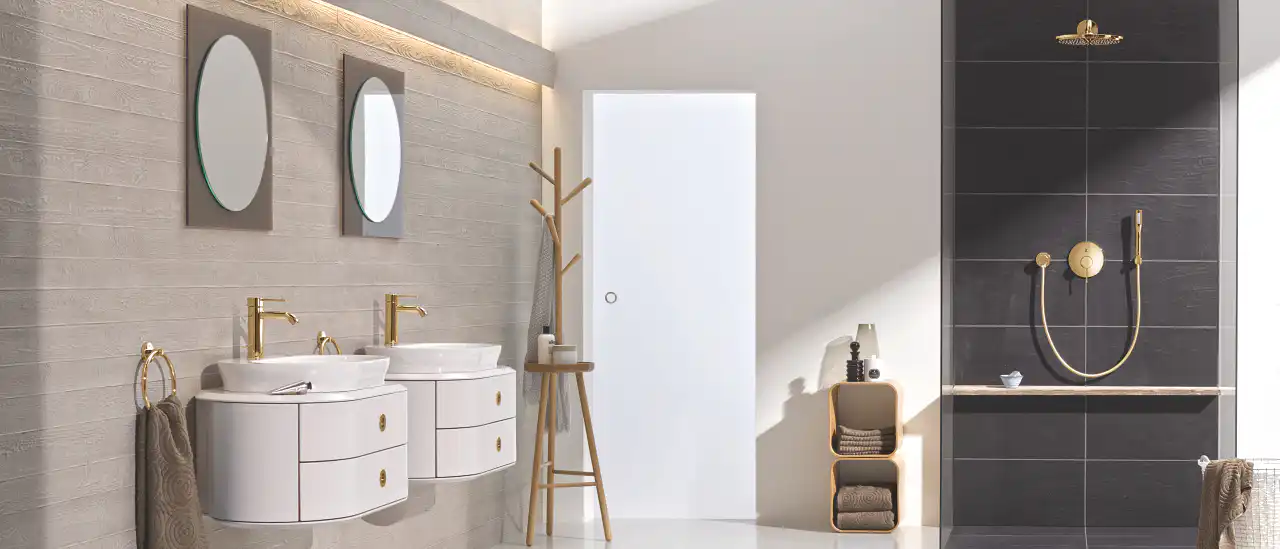
The GROHE design philosophy: when engineering defines form
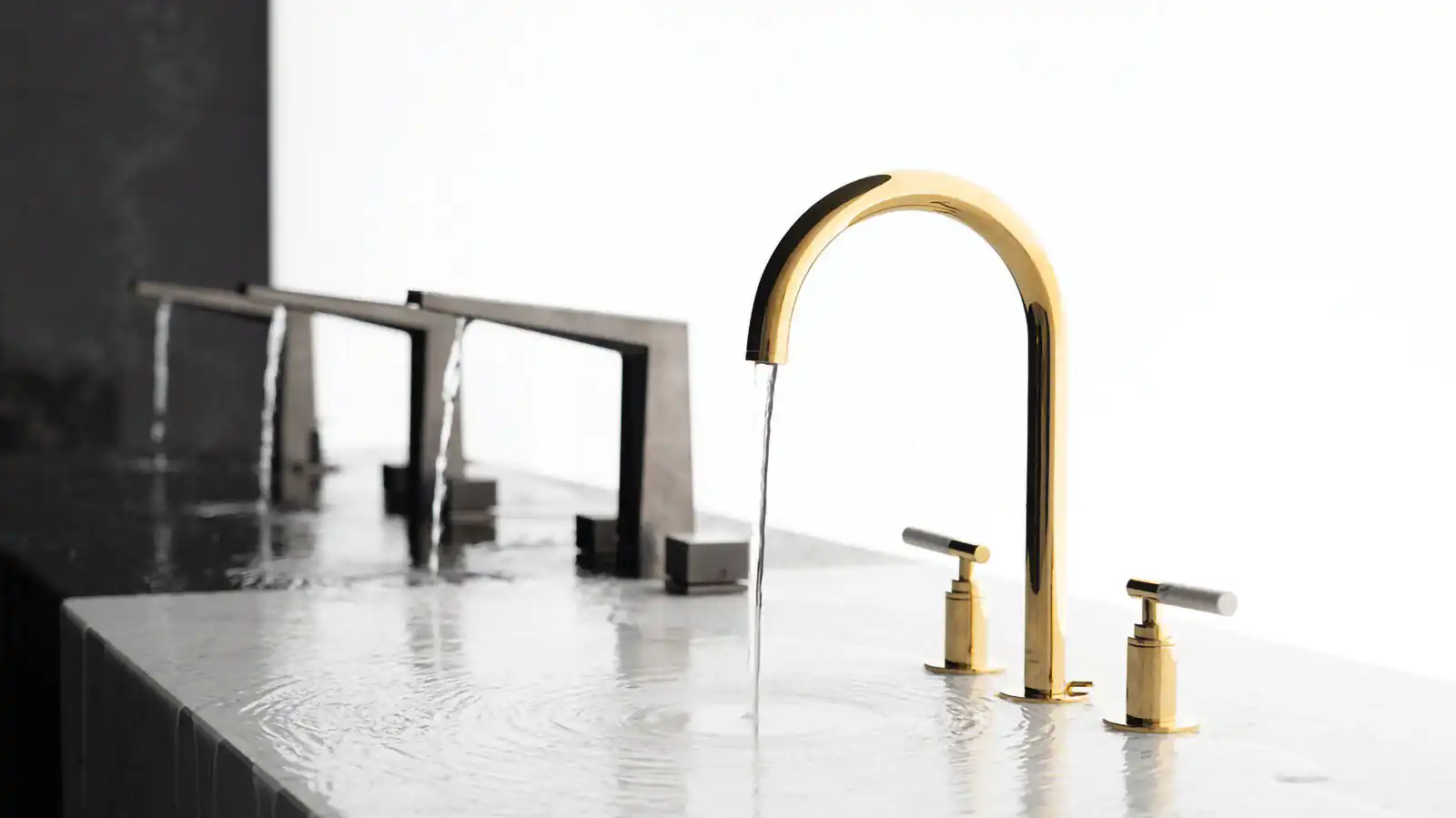
The modern sanitary ware and kitchen equipment market places strong emphasis on aesthetic differentiation. However, the evaluation of a plumbing product is not primarily based on form, but on measurable technical parameters such as flow rate (l/min), operating pressure (bar), temperature stability, and mechanical durability.
Within this context, GROHE’s design approach prioritizes engineering validation. Design emerges as a result of hydraulic and mechanical engineering, tolerance control, and functional optimization, rather than as an independent aesthetic choice. Form is determined by functional requirements, in alignment with the German tradition of industrial design, which emphasizes precision, reliability, and long-term durability.
German Engineering and Industrial Design
The development of a basin mixer or a thermostatic faucet begins with the internal design of the hydraulic circuit and its mechanical components. The process includes:
- machining and assembly tolerance control,
- flow rate calculations in relation to operating pressure,
- mechanical stress simulations,
- operational cycle testing (on/off).
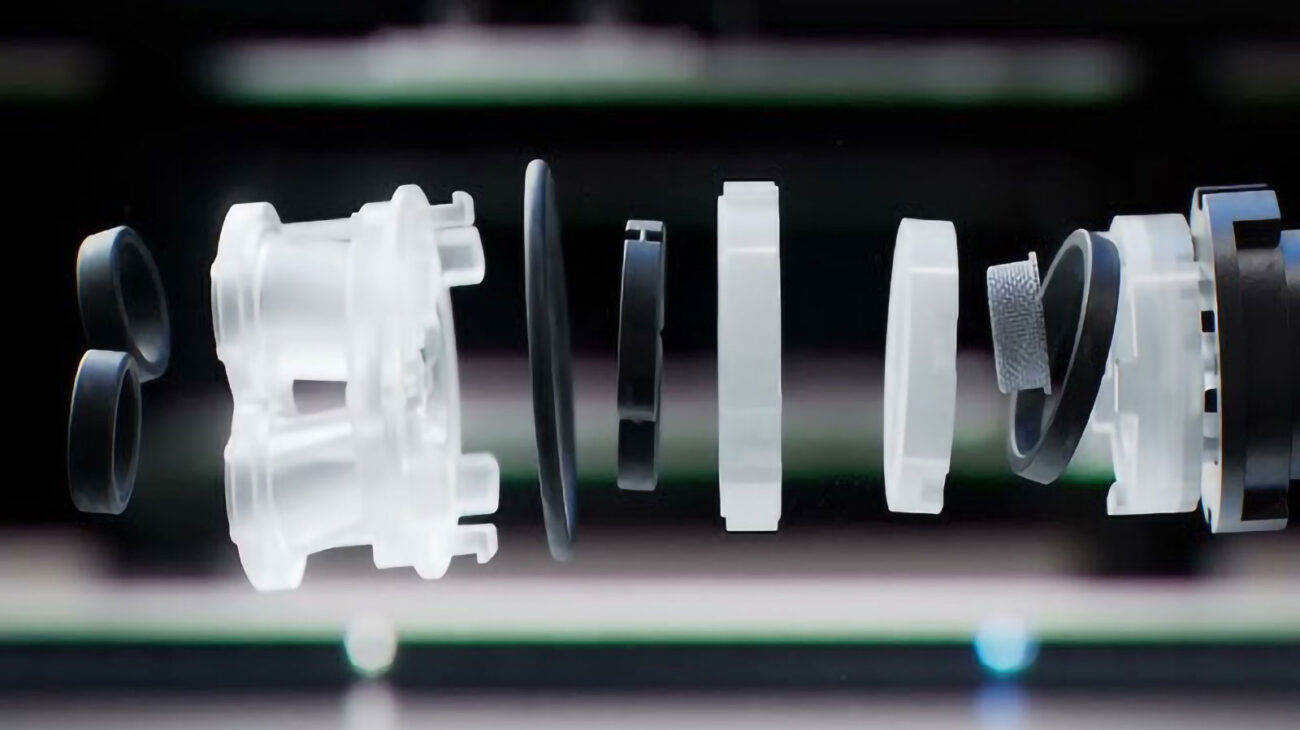
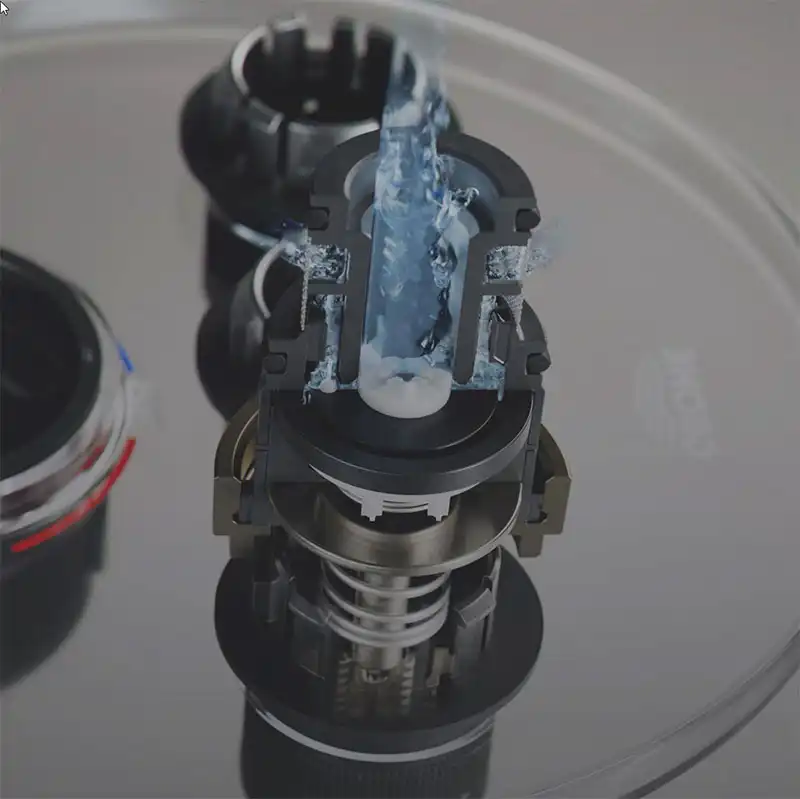
At the core is the ceramic cartridge, which regulates both water flow and mixing. The grinding quality of the ceramic discs, contact precision, and resistance to wear directly affect:
- flow stability,
- temperature accuracy,
- the service life of the mechanism.
In parallel, the geometry of the faucet body and internal channels is defined according to hydraulic criteria, with the aim of ensuring:
- smooth flow without abrupt changes in cross-section,
- reduced pressure losses,
- avoidance of turbulence that can cause noise or instability.
The external form is shaped at a later stage, without altering the functional parameters.
What GROHE’s design philosophy means in practice
Function is the primary factor that defines form and individual product characteristics.
Control elements (levers/handles):
They are designed based on ergonomic and mechanical requirements, such as:
- precise temperature adjustment,
- linear flow control,
- controlled actuation torque,
- resistance to repeated use.
Parameters such as diameter, rotation angle, and required operating force are defined through testing and simulation.
Internal flow channels:
Their geometry is designed to achieve uniform flow distribution at the outlet, reducing vibrations and flow fluctuations, especially under varying network pressure conditions.
Thermostatic mechanisms:
In thermostatic mixers, the blending mechanism dynamically regulates the hot/cold water ratio to maintain a stable temperature. This function remains active even when pressure changes occur in one of the supply lines, minimizing the risk of thermal fluctuations.
The external design serves clarity and safe operation without introducing functional compromises.
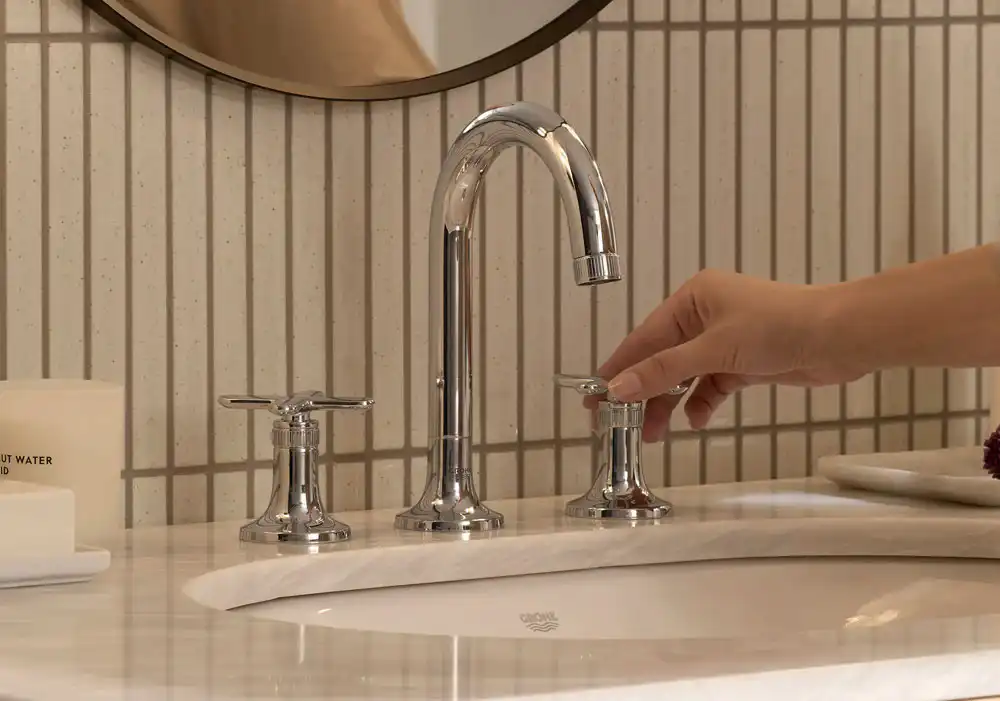
Integrated Technology at the Development Stage
In this approach, technology is integrated from the earliest stage of development rather than being added later as a separate element.
GROHE SilkMove
GROHE SilkMove technology refers to the ceramic cartridge responsible for flow and temperature control. The precise machining of the ceramic discs ensures smooth lever operation and stable adjustment even after a high number of operating cycles, directly influencing both the tactile experience and mechanical durability.
GROHE EcoJoy
GROHE EcoJoy focuses on consumption management through flow limitation (l/min). This is achieved via flow regulators and aerators, maintaining consistent performance under standard operating pressures without compromising essential functionality.
The body, internal channels, and mechanical components are selected based on the overall system performance. Technology is an integral part of the engineering architecture.
Technical benefits for designers and professionals
The integration of engineering into design has a direct impact on everyday use:
- Stable flow at a given network pressure.
- Smooth and predictable temperature control.
- Reduced operating noise due to controlled flow dynamics.
- Limited wear under conditions of frequent use.
In installations with variable water pressure (e.g., multi-storey buildings), proper hydraulic design helps maintain stable performance without sudden fluctuations.
At the same time, manufacturing precision facilitates installation in standardized connections, reducing the likelihood of failures or leaks caused by improper fitting.
Target audience
This approach is primarily intended for:
- plumbing engineers and system designers,
- installation technicians,
- professionals who require predictability and technical documentation,
- users who prioritize functional performance and long service life.
The availability of clearly defined technical parameters (flow rate, operating pressure, thermostatic accuracy) enables equipment selection based on project requirements rather than purely aesthetic criteria.
Conclusion
GROHE’s approach is based on a clear hierarchy: engineering precedes form. Industrial design is grounded in hydraulic and mechanical validation, while technology is integrated from the earliest stages of development.
Form acts as an expression of the underlying technical structure, and durability is assessed through measurable criteria such as operating cycles, material behaviour, and performance stability. Within this framework, the quality of a plumbing product is defined primarily by functional consistency rather than aesthetic differentiation.
FAQ
What is meant by the “GROHE design philosophy”?
It reflects an approach in which mechanical design, hydraulic performance, and durability determine the product’s form.
How does the ceramic cartridge affect faucet performance?
The quality of the ceramic disc finishing directly determines the smoothness of operation and the stability of temperature and flow regulation throughout the product’s lifecycle.
What is the difference between a thermostatic and a standard faucet?
A thermostatic faucet maintains a constant water temperature even when there are fluctuations in network pressure.
How is water savings achieved in GROHE products?
Through flow limitation and water control technologies that reduce consumption without compromising functionality.
Why is mechanical durability considered more important than aesthetics?
Because it determines the product’s service life, reliability, and overall functional performance.